
Factors to Consider When Buying a Laptop for Transcribing Music
When Buying a Laptop for Transcribing Music
The best laptop for transcribing music needs to have a few key things. It needs to be able to run music production programs smoothly and quickly. That requires a premium processor and lots of RAM. It should also be able to handle large raw audio files, and it must have plenty of storage space. Lastly, it should have a great webcam for online meetings and other work-related tasks. Fancy features like branded speakers or a 4K screen aren’t really important for this type of laptop, as the main thing it needs to be able to do well is to give you the best possible performance.
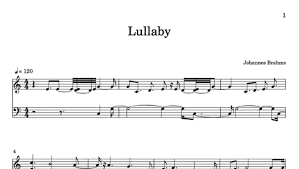
To begin, you will need to choose a piece of music that you want to transcribe. It should be something that is familiar to you or that you enjoy, so that you will be motivated to put in the effort to complete it. Once you have selected the piece of music, listen to it carefully, concentrating on the melodic line and how it changes over time. This will help you identify the notes and chords that make up the song.
Next, divide the song into sections and start working on them one by one. This way, you will be able to focus on a small section of the song at a time, making it easier for you to complete the transcription in a short amount of time. For example, you might want to focus on the intro, first verse, or bridge.
Factors to Consider When Buying a Laptop for Transcribing Music
You may find that you are struggling to identify some of the notes in the music, and if so, try to think about them in terms of chords instead of individual notes. This will make it much easier for you to get the correct chords down on paper, and it will save you a lot of time as well. Once you have the chords down, it is a good idea to play them back on your keyboard and practice putting the correct note names on top of each chord. This will ensure that you have a correct version of the song and that it sounds as good as possible when it is finished.
If you are struggling to transcribe the music, you can try to look up the lyrics and see how they match the chords you have written down. If you are still having trouble, try listening to the music again and trying to hear what the composer is trying to say with it. This can be a very difficult task and it might take some time before you have it completely right, but it is definitely worth the effort in the long run.
There are many different types of laptops available for music production, and the right one will depend on what kind of music you want to produce, as well as how much computing power you need. For example, a liberal arts student studying philosophy probably won’t need as powerful a machine as a web design major who uses GPU-intensive apps such as the Adobe Creative Cloud or a music major composing multilayered tracks in Apple Logic Pro X. If you are unsure what the right laptop is for your needs, you can often find a list of suggested models on websites such as SOS Forums and ask fellow musicians there for recommendations.


